

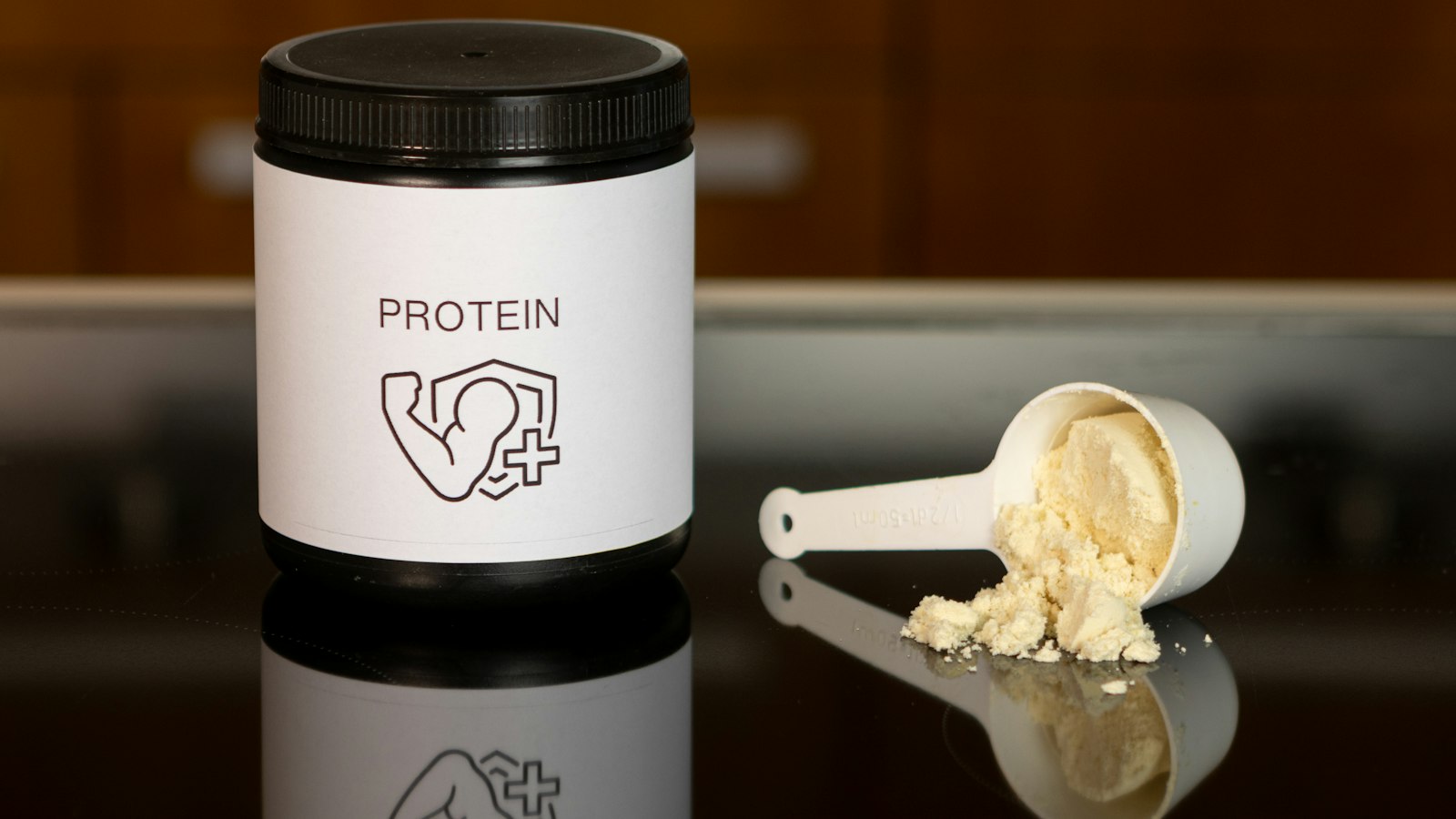
- In Switzerland, a product is either a food supplement under the VNem or a food for sportspeople under the VLBE. «Food supplement for athletes» is not a permitted name.
- Maximum amounts per daily dose apply to vitamins and minerals, and permitted substances and compounds are listed exhaustively.
- Health claims are only allowed if they are listed in Annex 14 of the LIV or have been authorised. Claims to prevent, treat or cure disease are prohibited.
- A food supplement generally needs no authorisation. However, the business must ensure compliance itself and register with the cantonal authority.
Why the topic is urgent
In 2024, the Swiss cantonal chemists tested plant-based food supplements in a national campaign. Of 127 products from 72 businesses, 125 were found non-compliant, and a sales ban was imposed on 113 products. 89 % of the samples came from online shops in Switzerland and Liechtenstein.[15]
The most common findings: prohibited plants in 37 % of products, critical dosages in 37 %, unauthorised novel foods in 24 % and prohibited substances such as melatonin in 12 %. Non-permitted health claims were found in almost all products, and 13 of the 72 businesses were not registered.[15] In its own risk-based inspections in 2024, the Cantonal Laboratory of Zurich imposed sales bans on 31 products from online shops.[16]
First question: which category?
According to the Ordinance on Food Supplements (VNem), food supplements are foods intended to supplement the normal diet. They must be pre-packaged and offered in dosed form, for example as capsules, tablets or drinking ampoules.[1]
Foods for sportspeople, on the other hand, fall under the Ordinance on Foods for Persons with Special Nutritional Needs (VLBE). They are intended to meet particular energy and nutrient requirements when ordinary foods are not practical. They include products for energy supply, products with a defined content of vitamins, minerals or other substances, and protein and amino acid preparations.[4]
The name «food supplement for athletes» is not permitted. A product is either a food supplement or a food for sportspeople. The category determines which lists of substances, maximum amounts and labelling rules apply.[1]
Substances and maximum amounts under the VNem
Permitted vitamins and minerals are listed in Annex 1 Part A of the VNem, other substances in Part B. The permitted chemical compounds are listed exhaustively in Annex 2, live bacterial cultures in Annex 3. Maximum amounts apply per recommended daily dose.[1]
Since 1 July 2020, maximum amounts have been based on a health protection model: the intake from a normal diet is subtracted from the EFSA tolerable upper intake level, and the remainder is shared between food supplements and fortified foods.[3] Some examples from Annex 1 Part A in the 2020 version:
| Substance | Maximum per daily dose | Substance | Maximum per daily dose |
|---|---|---|---|
| Vitamin D | 70 µg | Zinc | 5.3 mg |
| Vitamin A | 1,360 µg | Magnesium | 375 mg |
| Vitamin C | 750 mg | Selenium | 165 µg |
| Vitamin E | 205 mg | Iron | 21 mg |
| Vitamin B6 | 15 mg | Iodine | 200 µg |
Source: VNem, Annex 1 Part A, version of 01.07.2020.[2, 19] The ordinance has been amended since, including with the Stretto 4 package on 01.02.2024.[18] The current version on fedlex.admin.ch is always authoritative.
In Germany, the Federal Institute for Risk Assessment (BfR) publishes its own, considerably lower maximum level proposals, for example 20 µg for vitamin D. These are not binding and have no legal effect in Switzerland. If you also sell into the EU, they are useful as a guide.[17]
Mandatory information on food supplements
The name of the food is «Nahrungsergänzungsmittel» (food supplement), supplemented by the characteristic categories of substances. The VNem also requires, among other things:[1]
- the recommended daily intake in portions,
- a warning not to exceed this amount,
- a statement that food supplements are not a substitute for a varied diet,
- a statement that the product must be kept out of the reach of young children,
- the substance-specific warnings from Annex 1.
The general information required by the Ordinance on Food Information also applies. The information must be given in at least one official Swiss language.[1, 10]
Specifics for sports nutrition
For foods for sportspeople, permitted substances are listed in Annex 11 of the VLBE, compounds in Annex 12 and bacterial cultures in Annex 13. Energy products and protein preparations must also meet Annex 14. The declared content must be correct at the time of sale.[4]
Certain terms are also regulated: drinks with 260 to 300 mosmol/l may be called «isotonic», those with no more than 260 mosmol/l «hypotonic».[4, 5]
Novel foods and CBD
Foods that were not consumed to a significant degree in Switzerland or the EU before 15 May 1997 are considered novel. They require authorisation. Novel foods authorised in the EU may also be placed on the market in Switzerland if the conditions of use are met. The FSVO authorisation procedure costs between CHF 500 and 50,000.[6]
Important in practice: extracts can be novel even if the source plant is not. Cannabidiol (CBD) and other cannabinoids are novel foods and require authorisation, whereas hemp seeds, hemp seed oil and hemp seed flour do not.[6, 7]
Health claims and medicinal claims
Health claims are only permitted if they are listed in Annex 14 of the LIV or have been authorised by the FSVO (Art. 31 LIV). General statements such as «supports health» are only allowed together with a permitted specific claim (Art. 34 para. 2 LIV). Claims still under review in the EU have no special status in Switzerland.[8, 9]
Statements attributing to a food the property of preventing, treating or curing a disease are prohibited (Art. 12 LGV).[10] This applies not only to the label, but also to product descriptions, images and reviews in the online shop.
Obligations for online retailers
- Self-monitoring: anyone who places food on the market or imports it must ensure that the legal requirements are met. Official controls do not release them from this duty (Art. 26 LMG).[11]
- No notification: in Switzerland, food supplements need neither authorisation nor notification, except for novel foods, GMOs or health claims that are not listed.[1, 12]
- Business registration: every food business must register its activity with the cantonal enforcement authority, including online shops (Art. 20 LGV).[10]
- Information before purchase: in distance selling, the required information must be available when the product is offered, except for the date of minimum durability and the lot number (Art. 44 LGV).[10, 13]
- EU products: products sold in the EU are not automatically marketable in Switzerland.[12, 14]
How to check your range systematically
- Define the category: food supplement, food for sportspeople or another food.
- Check ingredients: every substance and compound against the permitted lists of the relevant ordinance.
- Check dosage: amount per daily dose against the maximum amounts, including warnings.
- Clarify novel food status: especially for extracts, mushrooms, cannabinoids and exotic plants.
- Check claims: label, product description and images against Annex 14 LIV and the ban on medicinal claims.
- Complete mandatory information: on the packaging and on the product page.
- Document and repeat: record results and check again when laws or recipes change.
With large ranges, this is hardly possible by hand. An automated check can read labels and data sheets, compare them with the lists of substances and flag issues with references. The legal assessment of individual cases remains with specialists.
Frequently asked questions
Do I need an authorisation for a food supplement?
Can I simply sell EU products in Switzerland?
Is protein powder a food supplement?
What is the maximum amount for vitamin D?
Do the rules also apply to product descriptions in the shop?
Sources
- FSVO, Questions and answers on food supplements for businesses, as of 03.07.2025 (German). blv.admin.ch↑
- Ordinance on Food Supplements (VNem), version of 01.07.2020, lexfind (German). lexfind.ch↑
- FSVO, FAQ on the maximum amounts model, 2020 (German). blv.admin.ch↑
- Ordinance on Foods for Persons with Special Nutritional Needs (VLBE), lexfind (German). lexfind.ch↑
- Cantonal Laboratory Thurgau, Sports nutrition (German). kantlab.tg.ch↑
- FSVO, Authorisation of novel foods, 24.07.2026 (German). blv.admin.ch↑
- FSVO, Cannabis and cannabidiol in food (German). blv.admin.ch↑
- FSVO, Nutrition and health claims (German). blv.admin.ch↑
- Fedlex, FDHA Ordinance on Food Information (LIV). fedlex.admin.ch↑
- Fedlex, Foodstuffs and Utility Articles Ordinance (LGV). fedlex.admin.ch↑
- Food Act (LMG), Art. 26. droit-bilingue.ch↑
- FSVO, Food supplements (German). blv.admin.ch↑
- Canton of St. Gallen, fact sheet on selling food online (German). sg.ch↑
- FSVO, Buying food online, 16.02.2026 (German). blv.admin.ch↑
- VKCS, National product campaign on plant-based food supplements 2024 (German). kantonschemiker.ch↑
- Canton of Zurich, Take care when buying food online, 09.01.2025 (German). zh.ch↑
- BfR, Updated maximum level proposals, opinion 009/2021 (German). bfr.bund.de↑
- FSVO, Food legislation (German). blv.admin.ch↑
- Verbraucherzentrale NRW, Maximum levels in Europe, August 2024 (German). klartext-nahrungsergaenzung.de↑
As of September 2026. This article is for general information only and does not replace legal, tax or financial advice. Prices, laws and product features change; please check the linked sources for the current status.